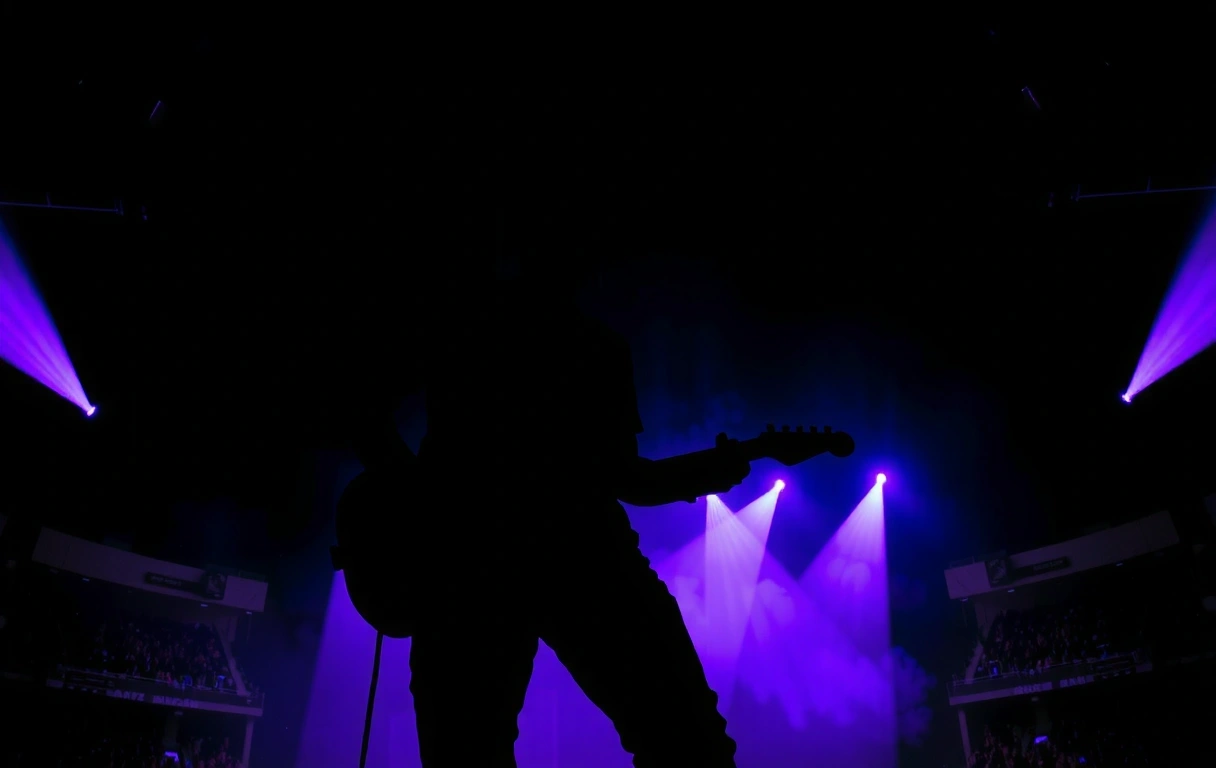
Architecture that Adapts to the Pulse
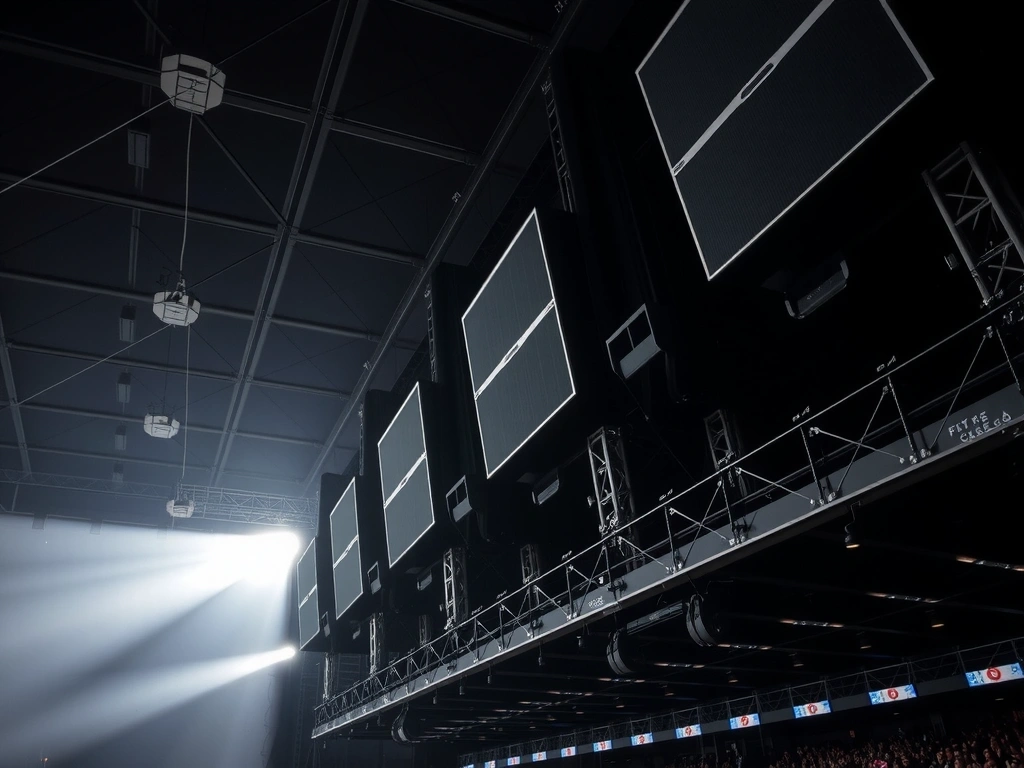
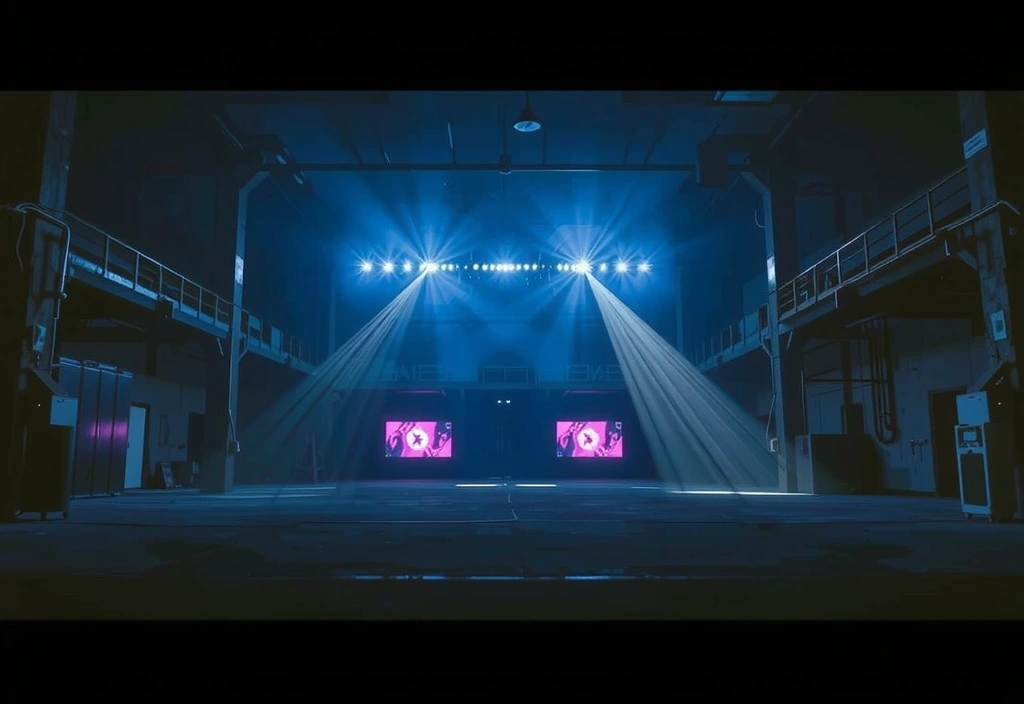
The transition from physical sets to digital projections has fundamentally altered how we perceive a musician’s presence. In global stadium tours, where the scale of the environment often dwarfs the individual artist, the stage itself becomes an extension of the performer’s body. Every movement is tracked; every frequency is mapped to a light-leak or a structural shift that occurs overhead.
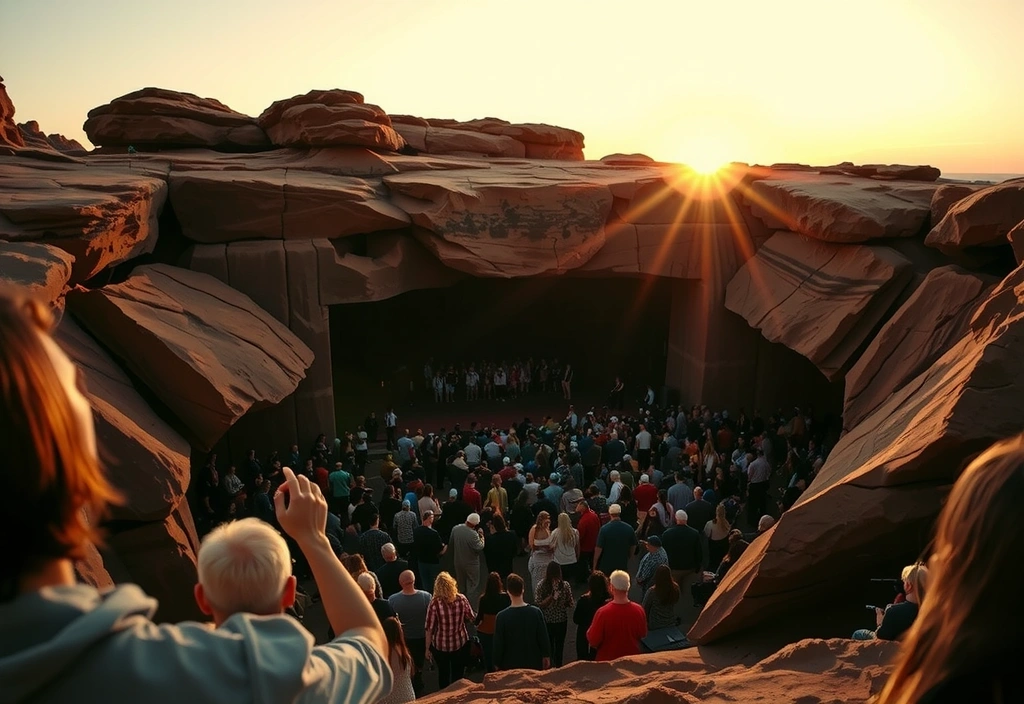
We observe a fascinating trade-off here. While massive touring spectacles offer a multi-sensory immersion that can move fifty thousand people simultaneously, there is a distinct loss of the organic tension found in smaller spaces. In an intimate room, the acoustics are unpredictable—the wood of the stage and the humidity of the air play a part in the sound propagation. In a stadium, everything is surgically mitigated by massive speaker arrays and complex delay lines designed to ensure the drum hit reaches the back row at the exact millisecond the light flash hits their eyes.
Traditional set teardowns have evolved into a choreographed ballet of engineering. To maintain a global itinerary, crews operate within a window where minutes determine whether a performance can proceed. The reliance on battery-powered lighting systems and sustainable rigging is no longer an outlier; it is a necessity for the longevity of the tour circuit. The goal is no longer just sound—it is the creation of a temporary, sovereign reality for those three hours of performance.