The Engineering behind
Auditory Craftsmanship.

Exploring the intersection of physics, psychology, and electronic circuitry. We peel back the velvet curtain of the modern control room to examine how professional production shapes the human experience.

View Curated Tools

Core Production Pillars

01 / ACOUSTIC PHYSICS

The War Against Parallel Walls

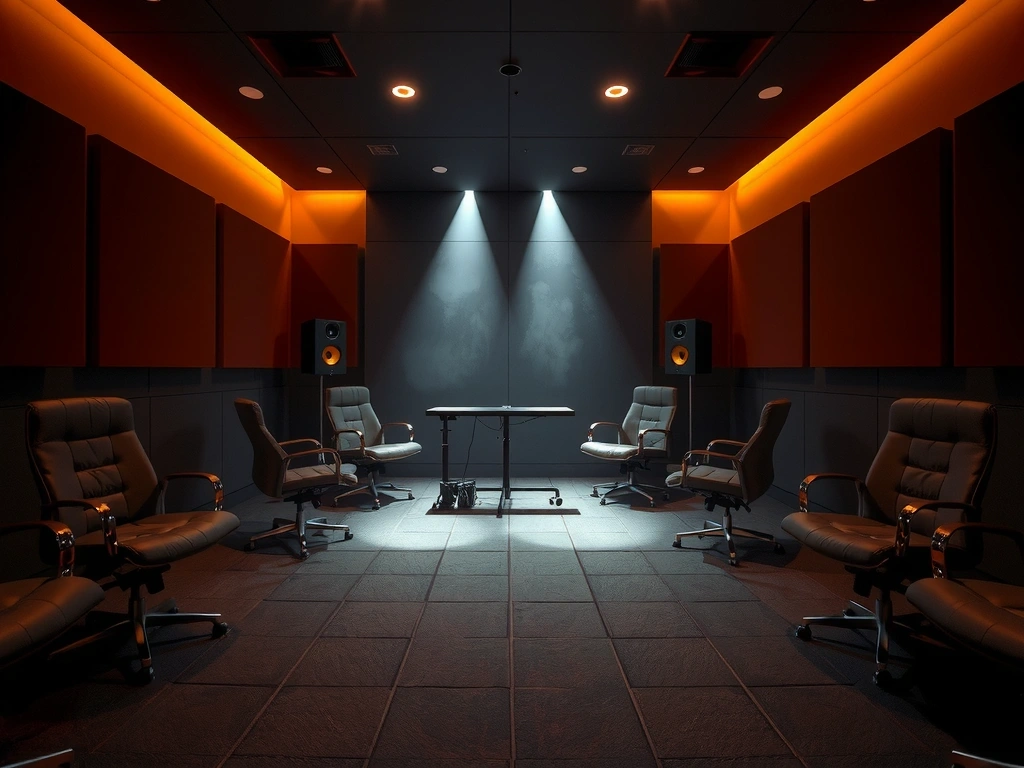
Natural room resonance is the silent architect of a record. In untreated spaces, parallel surfaces cause "flutter echoes" and standing waves—frequencies that reinforce themselves, creating a muddy low-end build-up that no digital plugin can truly fix.

Professionals utilize bass trapping and diffusion to break these patterns, ensuring the monitor playback is honest. Without a neutral environment, you aren't mixing the music; you're mixing the flaws of the room.

The Tube Preamp Soul

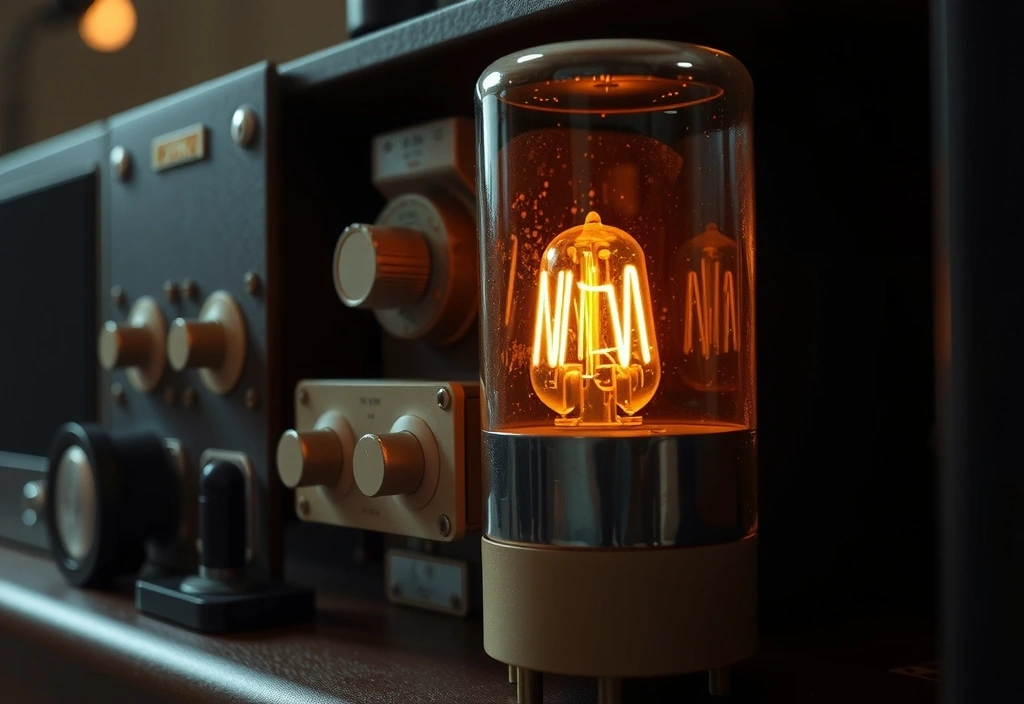
The resurgence of vintage hardware is not mere nostalgia. Vacuum tubes introduce even-order harmonic distortion—a subtle "heat" that the human ear perceives as musicality. It provides a density that masks the clinical coldness of high-sample-rate converters.

Analog vacuum tube hardware

Phase Coherence

Instrument: Multi-Mic Drum Kits

  • 01.

    The arrival time of sound at different microphones must be synchronized to prevent frequency cancellation.

  • 02.

    Using the 3:1 rule for microphone placement minimizes bleed and ensures a robust stereo image.

  • 03.

    Polarity inversion can often "fix" an thin-sounding snare by aligning it with the overhead signal.

Mixing process

The Haas Effect

By delaying a signal duplicate by 5 to 35 milliseconds, our brain perceives a massive widening of the soundstage without creating phase issues. This is how we create "expensive" sounding space in narrow mixes.

Microphone capture

Microphone Polar Patterns

Choosing between cardioid, omnidirectional, or figure-8 patterns determines how much the room interacts with the source. An omni mic on a vocal can add intimacy, while a tight cardioid maintains focus in a chaotic session.

The Mastering Objective

The mastering engineer is the final arbiter. They provide an objective perspective, correcting subtle tonal imbalances and ensuring the record translates across everything from high-end hifi systems to smartphone speakers.

"Great mastering isn't making it louder; it's making it feel more like itself."
SAMPLE RATE 96kHz
BIT DEPTH 32-bit
RMS TARGET -14 LUFS
HEADROOM 6.0 dB
MASTER

"The most important piece of equipment in the studio is not the microphone, but the producer's ears and the artist's comfort."

The Creative Environment

Technical perfection is worthless if it stifles emotion. The psychological impact of lighting, ergonomics, and visual noise can make or break a recording session. We study the "vibe" as a technical requirement.

Studio Ergonomics

Case Study: Minimalist Ergonomics

Lighting as a Catalyst

Low-frequency lighting (warmer colors) triggers different neural pathways than clinical white light. In vocal tracking, amber glows encourage intimacy and vulnerability, while daylight bulbs are better for the high-energy analytical phase of technical editing.

Cable Shielding & Interference

High-gain environments are vulnerable to electromagnetic smog. We prioritize oxygen-free copper and double-shielded braiding to prevent the hum of digital devices from infiltrating the analog purity of our signal paths.

Workflow Blueprint

From Concept
to Master.

01

Source Capture

Selecting the right transducer for the source frequency range.

02

The Triage Mix

Subtracting masking frequencies to create space for the lead voice.

03

Saturation Layering

Parallel compression and harmonic exciters for perceived loudness.

Signal Intensity
+4.2 dB

Ready to Refine Your Frequency?

Join our community of engineers and producers for a weekly deep dive into gear reviews, theory breakdowns, and the intangible spirit of professional production.

Our Philosophy